Getting Started with VTube
This page takes a fresh WordPress install to a working tube site. Budget about twenty minutes, most of it spent waiting for WordPress rather than on VTube itself.
Here is what you are building: the homepage, with your videos in a grid and an ad zone beside them.
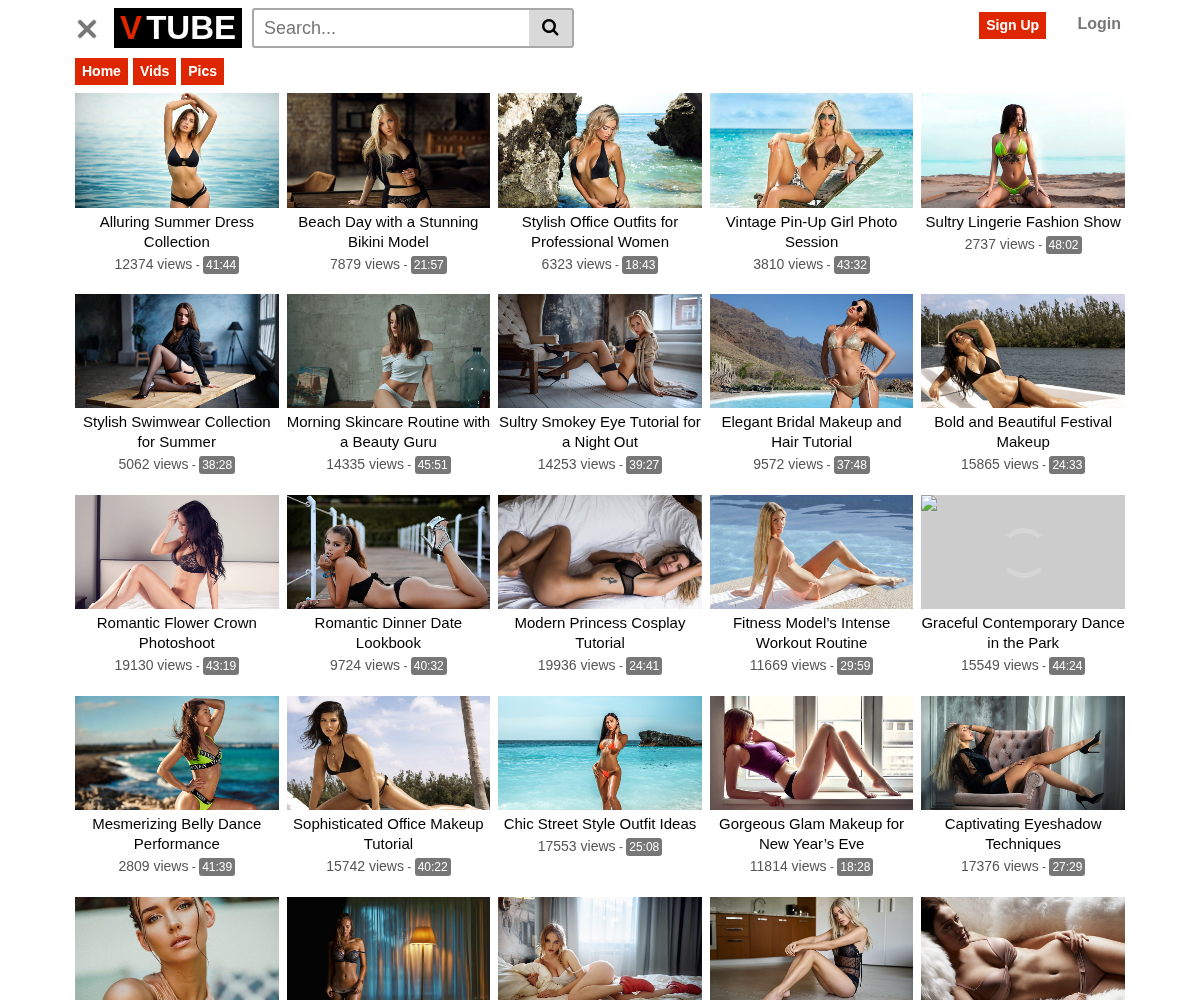
1. Before you start
VTube is a WordPress theme, so you need a WordPress site first: a domain, a host, and WordPress installed on it. If you are not there yet, start with Getting Started.
2. 1. Install WP-Script Core
Every WP-Script product is activated through the WP-Script Core plugin, so install it before the theme itself: How to install WP-Script Core.
Once it is active, activate your site with your site key: Site key activation.
3. 2. Install the theme
Download the VTube zip from your account, then in WordPress go to Appearance → Themes → Add New → Upload Theme, choose the zip and activate it. The full walkthrough is in How to install a WP-Script theme.
WordPress expects the archive itself. Uploading an unzipped folder over FTP
works too, but it has to land in wp-content/themes/vtube/, with style.css
directly inside it.
4. 3. What activation does for you
VTube builds most of the site on its first activation, which is more than most themes do:
- the Categories, Tags, Actors, Submit a video and My Profile pages, each with its template already assigned
- the legal pages: 18 U.S.C 2257, DMCA, Privacy Policy and Terms of Use
- a Main Menu holding Home, Categories, Tags and Actors, attached to the header
- a Footer Menu holding the legal pages
So unlike most themes there are no pages to create by hand. Check the result at Appearance → Menus before going further.
The pages are tracked by the theme, not by their title or slug, so renaming one never makes the theme create a duplicate. To see which page plays which role, or to create one again after deleting it, open WP-Script → Theme Options: the Pages tab holds the submission, profile and legal pages, and the Videos tab the Categories, Tags and Actors pages.
5. 4. Set the permalinks
Go to Settings → Permalinks and choose anything other than the default.
The theme does not change this for you, and the category, tag and actor archives
all rely on pretty permalinks: on the default ?p=123 setting they return a
404.
6. 5. Set your logo
VTube draws its logo from two words rather than an image, which is what gives it the "V TUBE" look with the second word on a coloured block. Set them in Logo & Favicon, along with the separator and the favicon.
You can upload an image instead if you have one, in the same section.
7. 6. Add your first video
Videos are ordinary WordPress posts with the video post format:
- Go to Posts → Add New.
- Set the post format to Video.
- Fill the video fields in the video information box below the editor: the embed code or the mp4 URL, the thumbnail, and the duration. Every field is covered in Video Information.
- Assign a category, some tags, and one or more actors.
- Publish.
Repeat a handful of times so the homepage has something to show. Bulk importing from tube sites is what WPS Mass Embedder is for.
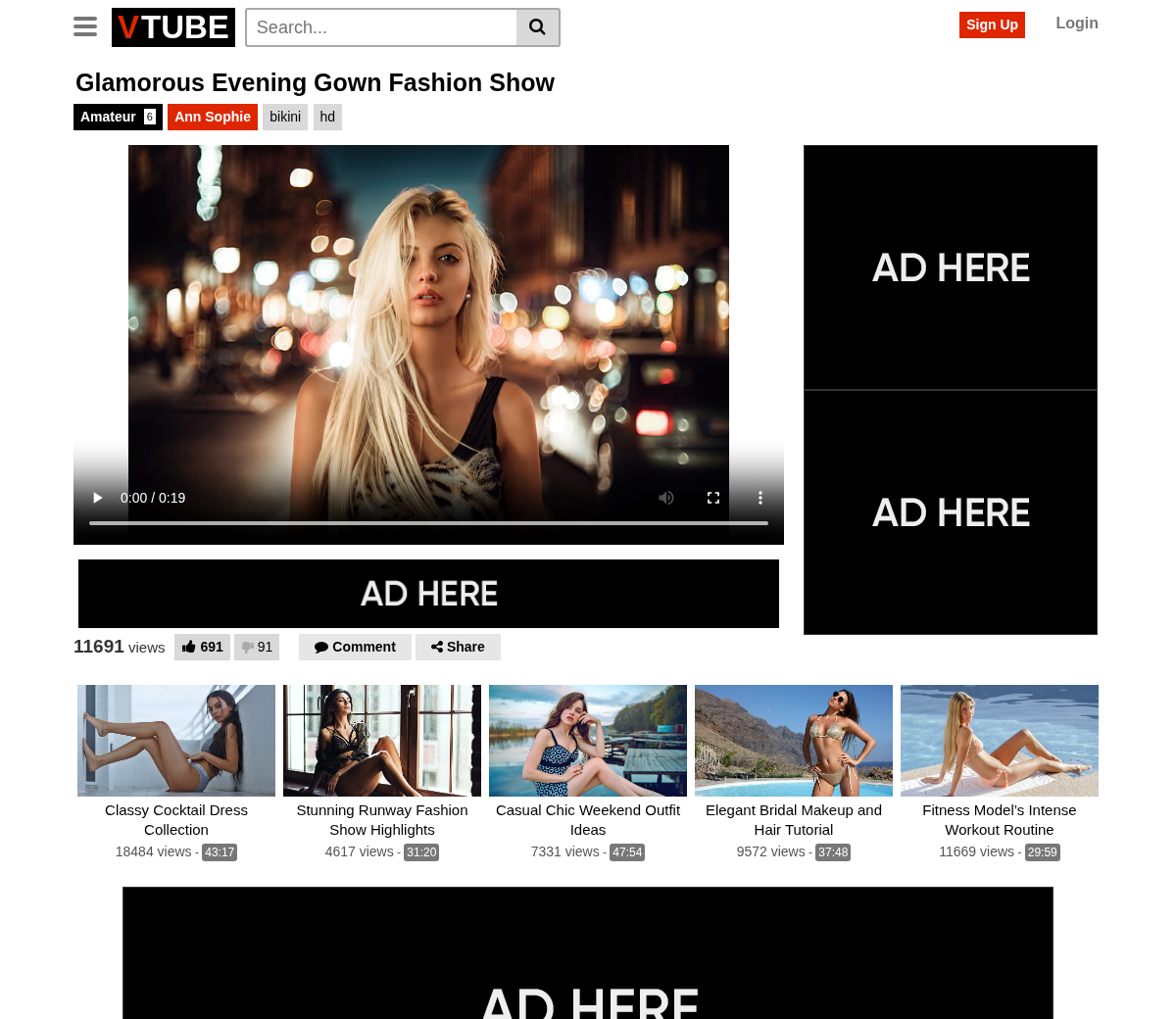
A published video looks like this, with the player, the ad zones around it, and the actors, category and tags you assigned:
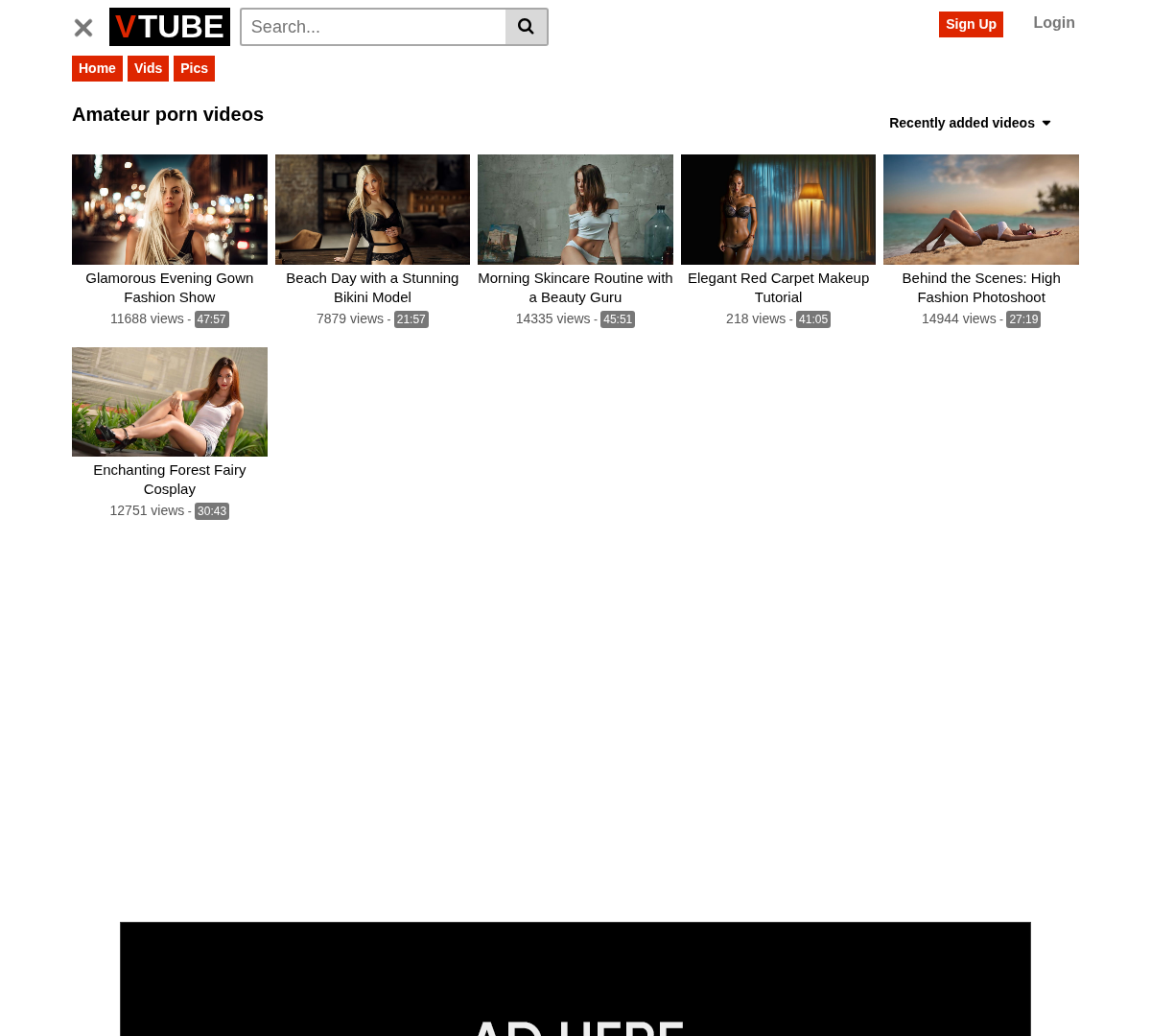
Your categories and actors get their own pages, built from the same videos:
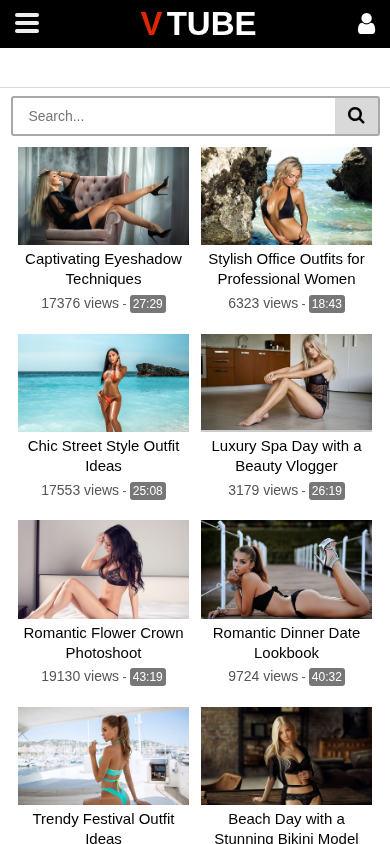
And the same site on a phone, which is where most of a tube's traffic comes from:
8. 7. Decide about member accounts
VTube can let visitors register, log in and keep a profile. It is switched on in Membership, and it changes what your header shows.
It is worth deciding early rather than later: turning it on once you have traffic means suddenly showing a login form to people who never had one. Membership covers what it actually does.
9. 8. Make it yours
The theme's settings live in the WordPress Customizer, at Appearance → Customize. Beyond the logo, start with:
- General for the accent colour and the menu
- Advertising for the ad zones, once you have an ad network
- SEO for the text search engines read on each kind of page
Nothing is applied until you click Publish.
The theme also has a page of its own, at WP-Script → Theme Options. Its General tab only points you to the Customizer, its Pages and Videos tabs manage the pages and the slugs of the theme, and its Texts tab explains the languages.
10. 9. Your language, and your visitors' texts
VTube is translated into English, German, Spanish, French, Hindi, Italian, Portuguese and Russian, and the two sides of the site follow two different settings:
- Your visitors see the theme in the language of the site, set at Settings → General → Site Language.
- The admin, Theme Options included, follows the language of your own profile, at Users → Profile → Language. You can run a French site from an admin in German, and each admin user can pick their own.
To change a text your visitors see (a menu label, a button, a message), open
Appearance → Customize → Texts. A pencil appears next to every text you
can change in the live preview: click it, type your text, and see it replaced
as you type. A field left empty keeps the translated text of the site language,
shown in grey. Keep the codes of the original text, like %s or %1$s: they
are replaced by a number, a name or a link, and a text missing one is ignored.
11. 10. Rename a page or change a slug safely
- To rename a page, edit its title in Pages. The theme finds it by its id, so nothing breaks and no duplicate is created.
- To change the address of a page, change its slug in the Pages or Videos tab of the Theme Options, or in the page editor. The old URL is redirected (301) to the new one, which WordPress does not do for pages on its own.
- To change
actorin/actor/john-doe/, for example topornstar, set the Actor slug in Settings → Permalinks or in the Videos tab. The old actor URLs are redirected (301), and Actors is renamed Pornstars in your admin menu. The category and tag slugs work the same way.
12. Where to go next
- Options documents every setting the theme has.
- Membership explains accounts and profiles.
- Actors explains the actor archives and their images.
- FAQ answers what people ask most often.
- Troubleshooting is where to look when something does not appear.